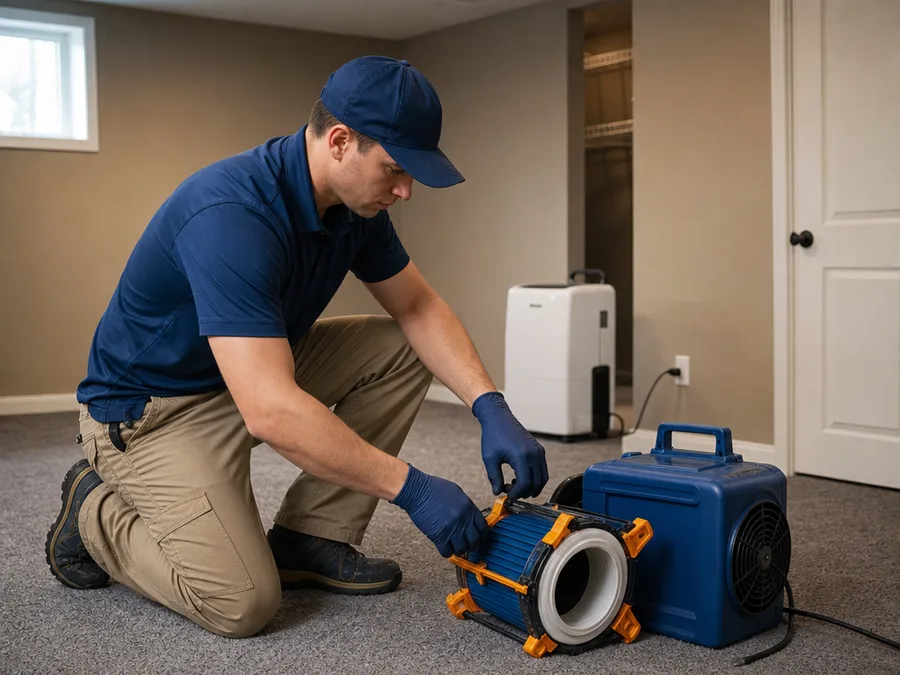
Targeted testing, not random sampling
We focus samples where moisture readings, odor, or building details suggest hidden growth, so results answer the real question: where is the problem and how big is it.
Serving Baltimore, Maryland & surrounding areas
Mold Testing · Baltimore, Maryland
Get clear, lab-backed answers when you smell something musty, see staining, or have health concerns. Our inspection and sampling process pinpoints where mold is, what type it is, and what to do next.
Evidence before action
If you are searching for mold testing Baltimore homeowners rely on, you probably want one thing: a real answer, not a guess. Mold can hide behind drywall, under flooring, inside HVAC returns, and in damp basements. A proper test combines a careful visual inspection with targeted sampling and lab analysis so you can make decisions based on evidence.
You should consider professional testing when:
In Baltimore, attached rowhomes and older housing stock can share walls and sometimes share moisture pathways. That makes it important to identify the actual source area instead of treating only what is visible. We test to confirm what is present and to guide next steps.
If you already have extensive visible mold growth, testing is not always the first priority. In that case, you often need immediate moisture control and safe cleanup planning. We will tell you plainly during scheduling what makes the most sense for your situation.
Inspection, sampling, and reporting
Our process is built around two goals: locate suspect conditions and collect defensible samples.
On-site inspection and moisture mapping
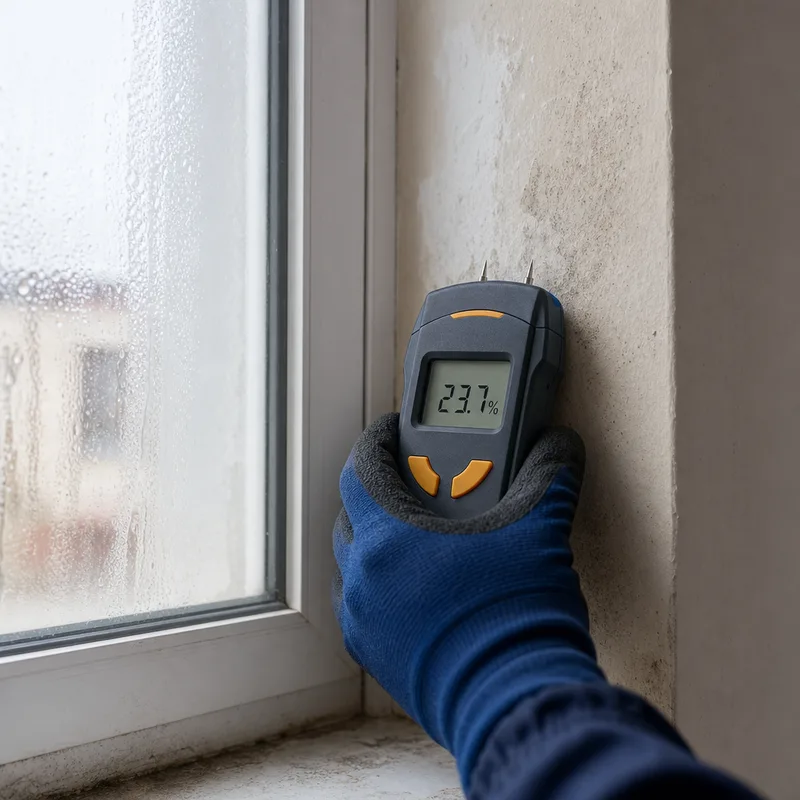
We walk the areas of concern, look for water staining and building envelope issues, and use moisture meters to identify wet building materials. Basements, crawlspaces, and window perimeters get special attention in homes near the Inner Harbor and other areas where humid air and older masonry can combine to keep materials damp.
Sampling strategy: air, surface, or swab
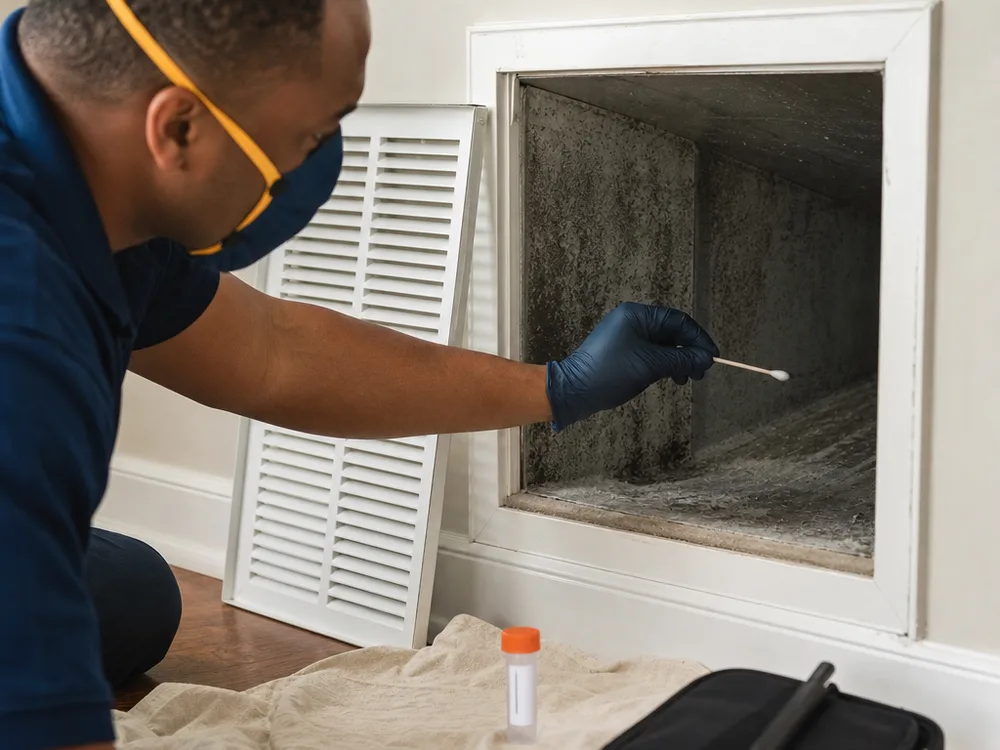
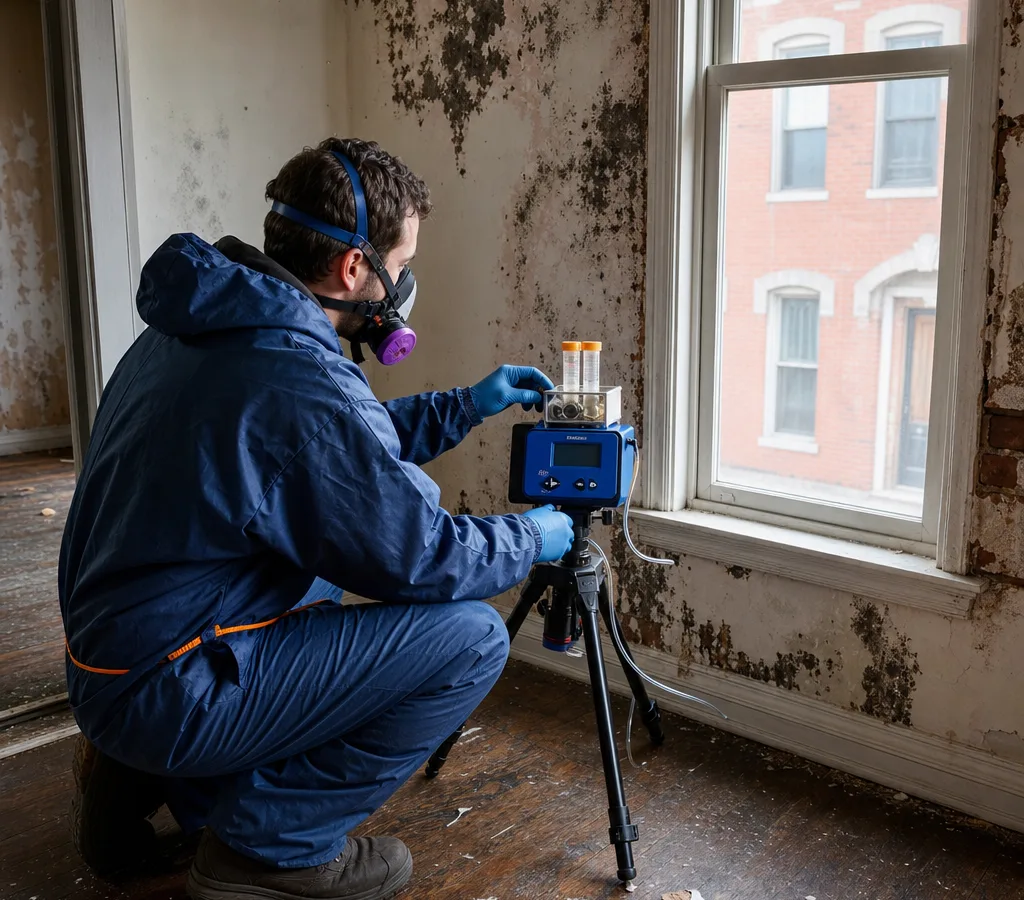
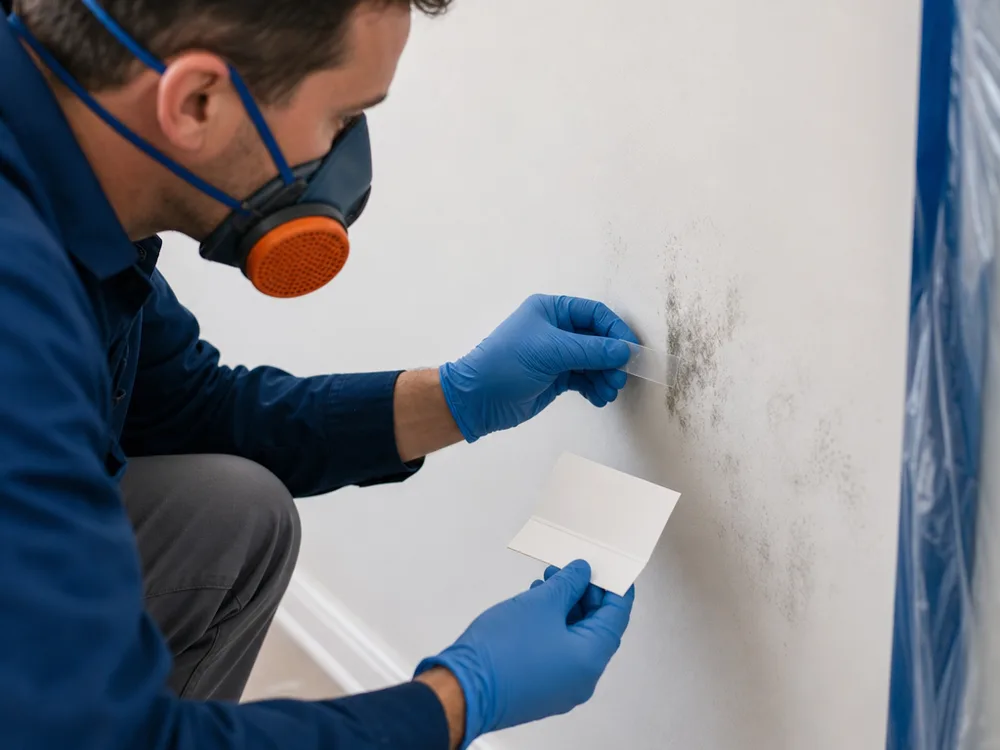
Air sampling can help compare indoor conditions to an outdoor control sample, especially when mold is suspected behind finishes. Surface tape lifts or swabs are used when there is a visible spot and you want lab confirmation of what it is.
Chain of custody and lab analysis
Samples are labeled and documented so the lab report matches the exact locations tested. The lab identifies spore types and, where applicable, provides counts for air samples.
Clear report and next-step guidance
You receive a readable summary of findings, where samples were taken, and what the results mean in practical terms. If the findings indicate an active moisture problem, the most important recommendation is always to fix the water source so the issue does not return.
If you are also comparing providers, you can get a sense of our approach and service area through Mold Removal Baltimore.
Useful data, clearly explained
We focus samples where moisture readings, odor, or building details suggest hidden growth, so results answer the real question: where is the problem and how big is it.
An outdoor sample is often the best baseline for interpreting indoor air results because spores exist naturally outside in Maryland.
We are used to tight party-wall construction, finished basements, and older materials where moisture can persist behind paneling, plaster, or masonry.
You receive a written report with sampling locations and lab findings that can support a plan for cleanup, repairs, or a real estate transaction.
If testing is not the right next step for what you are seeing, we will say so and explain what should happen first.
Visit-required pricing
Mold testing in Baltimore typically ranges from $300 to $750 for an inspection with 2 to 3 samples and lab analysis. A basic visit for one problem area is often on the lower end, while larger homes, multiple floors, or more sampling locations can push pricing higher.
Final cost depends on the number and type of samples (air versus surface), how many areas need moisture mapping, access to attics or crawlspaces, and whether you need rush turnaround. Exact pricing is confirmed after we understand the symptoms and the areas you want tested.
A clear four-step sequence
Share where you see staining or smell odors, whether there was a recent leak, and which rooms are most affected. Photos help, especially around windows, ceilings, and basement walls.
We will recommend a sampling approach based on the goal: health concern, hidden mold suspicion, or documentation for a transaction.
We inspect, take moisture readings, and collect samples as needed. For air testing, we typically include an outdoor control sample for context.
You get the findings with sampling locations and practical guidance. If moisture is present, the fix is always to address the water source first.
Straight answers before testing
Scheduling depends on current demand, but many inspections can be arranged quickly, and lab turnaround is often 1 to 3 business days depending on the lab and the type of analysis. If timing matters for a real estate deadline, mention the date up front so the sampling and reporting plan matches it.
A DIY kit can show that mold exists in the environment, but it usually cannot tell you where it is coming from or whether indoor levels are meaningfully different from outdoors. Professional mold testing pairs moisture investigation with controlled sampling, often including an outdoor control in Maryland conditions, so results are interpretable.
Air sampling measures airborne spores at the time of testing and is useful when you suspect hidden mold or want an indoor-to-outdoor comparison. Surface sampling, using a tape lift or swab, confirms what a visible spot likely is, which can be helpful for documentation when a specific area is in question.
Leave conditions as normal unless we advise otherwise during scheduling. If your concern involves odors or symptoms that happen when the system runs, tell us, because it can affect where we inspect and whether we include sampling near returns or supply registers.
Yes, but fresh paint or new paneling can hide visual clues, so moisture mapping and the sampling plan matter even more. If you know when the work was done and whether there was a prior leak, share that so we can target likely problem areas instead of relying on what is visible.
Testing provides data about what was found in the sampled areas and how it compares to an outdoor baseline, but it is not a medical clearance. The most useful outcome is a clear picture of whether there is an indoor moisture-driven mold issue and where to address it so conditions improve.
Start with the right sampling plan
Tell Mold Removal Baltimore what you are seeing or smelling and which areas concern you most. We will recommend the right sampling approach and provide a lab-backed report you can act on.