Containment-first work practices
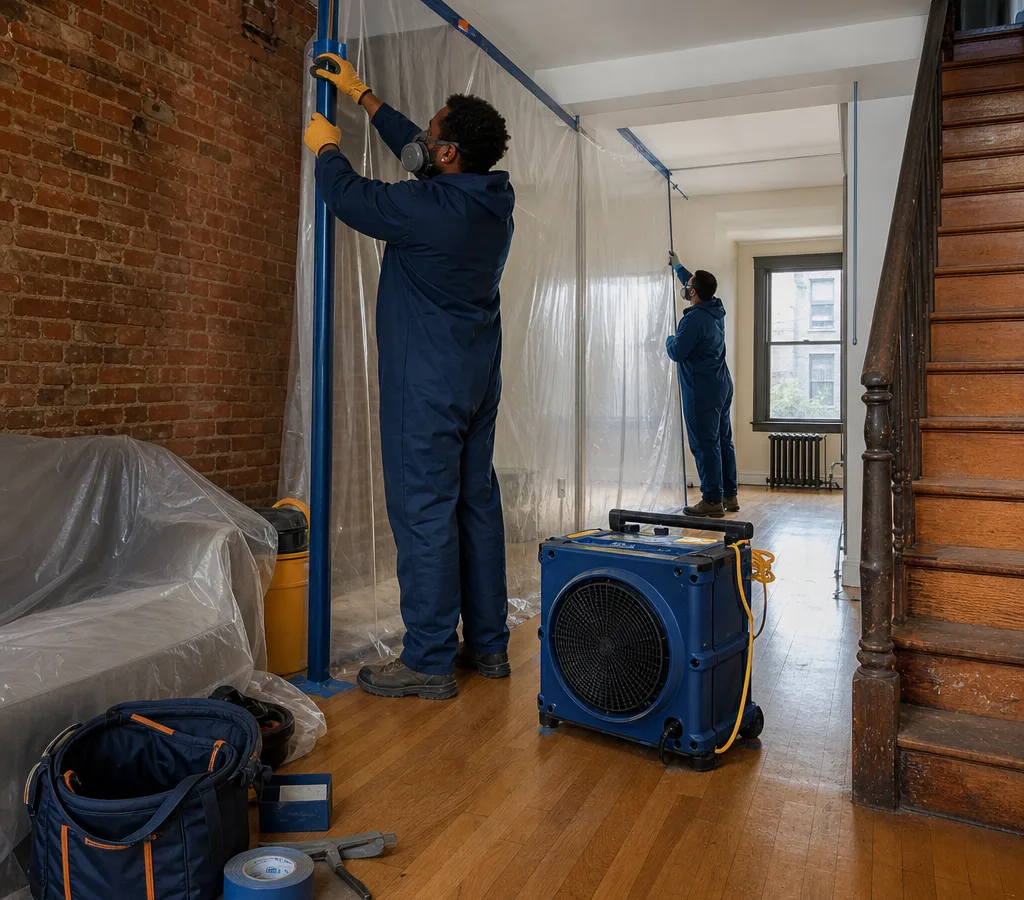
We isolate the affected area before disturbing materials, with negative air and HEPA filtration when conditions call for it.
Serving Baltimore, Maryland & surrounding areas
Mold Remediation · Baltimore, Maryland
If you have visible growth, a musty odor, or a recent leak, our team isolates the area, removes contaminated materials safely, and documents clear next steps so you can re-occupy with confidence.
Control moisture. Contain the work.
Searching for mold remediation Baltimore MD usually means you already have one urgent question: how do I stop it from spreading and make the space safe again? The answer starts with controlling moisture and containing the work area. Mold is a symptom of a water problem, so effective remediation combines cleanup with a plan to prevent a repeat.
In Baltimore, we see mold tied to everyday issues like roof and window leaks, plumbing failures, wet basements, and humidity that lingers after storms. Rowhomes and older properties can hide moisture in party walls, behind plaster, and under flooring where it is hard to spot until odor or staining shows up.
Our approach is straightforward: identify the affected materials, set up containment so spores stay out of clean areas, remove and clean using HEPA methods, and leave you with a written scope and practical recommendations. For a quick overview of who we are and how we work across the city, you can start with Mold Removal Baltimore.
A controlled cleanup scope
A proper remediation job is more than spraying a chemical and hoping for the best. It is a controlled demolition and cleaning process designed to stop cross-contamination.
Typical scope includes:
What it should not include is covering mold with paint or ignoring the water source. Encapsulants have a place in some situations, but they are not a substitute for removing contaminated porous materials and physically cleaning the area.
If the mold followed a leak or flood, remediation often starts after water damage restoration stabilizes the environment with extraction and drying, so the mold work is not fighting ongoing moisture.
Professional care for the whole property
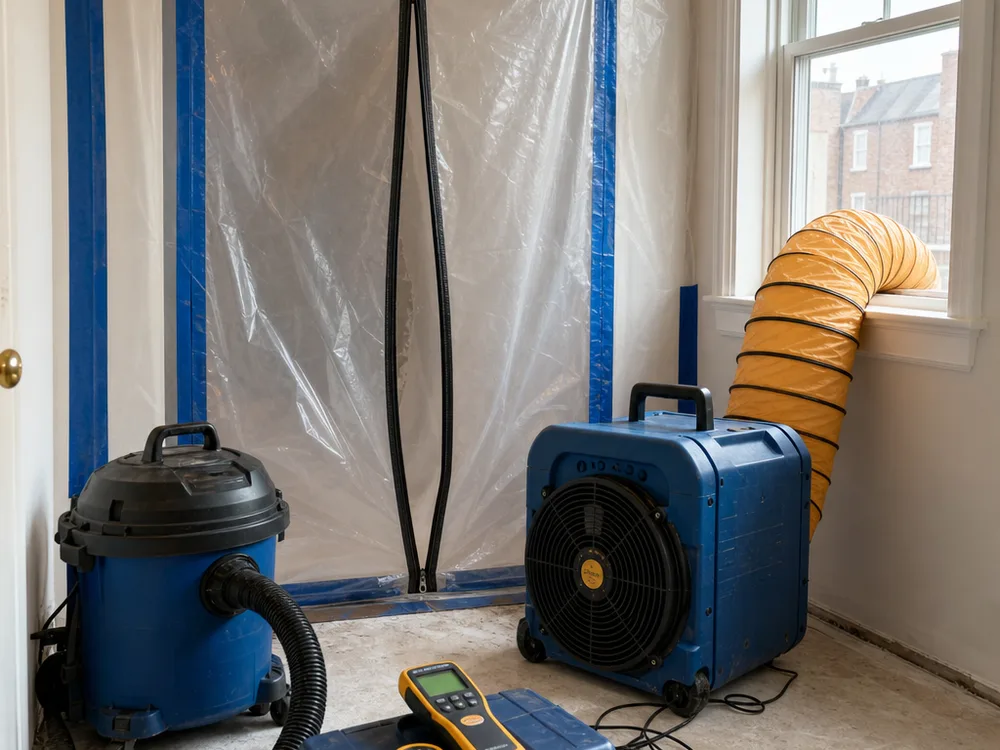
We isolate the affected area before disturbing materials, with negative air and HEPA filtration when conditions call for it.
You get a written plan that explains what is being removed, what is being cleaned, and what needs to be dry before repairs begin.
Non-porous and semi-porous surfaces can often be cleaned; porous materials typically require removal. We explain the reasoning on-site.
We point out likely moisture pathways and habit changes that reduce recurrence, especially around basements, bathrooms, and HVAC.
We stage equipment neatly, keep pathways clear, and maintain dust control so the rest of the home or suite stays usable when possible.
Local building context matters
Mold can grow anywhere moisture persists, but the locations and access challenges change by neighborhood and building style.
In Federal Hill and Canton, brick rowhomes often have finished basements or lower levels where small foundation seepage, sump issues, or high humidity can stay unnoticed until odor appears in carpet, trim, or stored items. In Mount Vernon, older buildings and mixed-use properties may have recurring moisture near aging window systems and masonry, which can wet interior plaster and lath. In Hampden, additions and renovations sometimes create hidden voids where warm, humid air meets cooler surfaces and condenses.
Common Baltimore trouble spots we inspect and remediate include:
If you suspect the problem is inside ductwork or tied to HVAC condensation, the right next step is often an assessment that coordinates with air duct cleaning so the system is addressed without spreading debris into clean areas.
A clear five-step sequence
We look for visible growth, water staining, odor patterns, and moisture readings. You get a clear explanation of what is affected and why.
We set barriers and filtration appropriate to the work area so spores and dust do not migrate into adjacent rooms, hallways, or shared spaces.
We remove contaminated porous materials, then HEPA vacuum and wipe remaining surfaces. Contents are handled based on material type and condition.
We confirm moisture levels are trending dry enough for rebuild. If they are not, we recommend the most direct correction rather than guessing.
We review what was done, share photos when helpful, and leave you with a practical prevention checklist for the specific conditions we found.
Visit-required pricing
Mold remediation in Baltimore typically ranges from about $750 to $6,000+, with small, contained areas like a limited section of drywall often on the low end and multi-room or basement-wide work with heavy removal and filtration on the high end. If the job needs extensive demolition, specialty containment, or content handling, cost increases.
Price depends on the square footage affected, what materials are involved, access, how much containment and air control is required, and whether active moisture is still present. The exact cost is confirmed after an on-site inspection and a written scope.
Straight answers before work begins
Start time depends on current conditions and how quickly containment can be set up, but urgent situations are often scheduled quickly because active moisture can worsen damage. If the area is wet now, the first priority is stabilizing it, then moving into remediation once materials are dry enough to work safely.
Not always, but it depends on where the work is and the level of containment required. If remediation is confined to a basement or a sealed room with negative air, many households can remain in other areas; if multiple rooms are affected or pathways cannot be isolated, temporary relocation can be the safer choice.
Yes, but remediation typically requires opening the assembly so contaminated porous materials can be removed and the cavity can be cleaned. If odor or moisture readings suggest hidden growth, we discuss targeted openings first so the scope stays controlled.
Testing is not required for many clear, visible mold situations because the cleanup method is driven by the material and extent of contamination, not the species. Testing can be useful when the source is unclear, when symptoms persist without visible growth, or when a third-party report is needed for a file or property decision.
Bleach can lighten staining on some non-porous surfaces, but it is not a complete remediation method and it does not solve moisture inside porous materials. Effective remediation relies on removal of contaminated porous materials, HEPA cleaning, and fixing the moisture condition that allowed growth.
Stop the water source if possible and begin drying with fans and dehumidification, but avoid tearing into materials without containment if the area is more than a small spot. Keep the affected area closed off, do not run HVAC if it will circulate air through the space, and arrange an inspection so you get a safe, documented plan.
Start with an on-site inspection
Tell us what you are seeing and where it is happening. Mold Removal Baltimore will review the situation, explain containment and cleanup options, and provide a clear scope so you can move forward confidently.